Defending Human Rights on the Global Stage
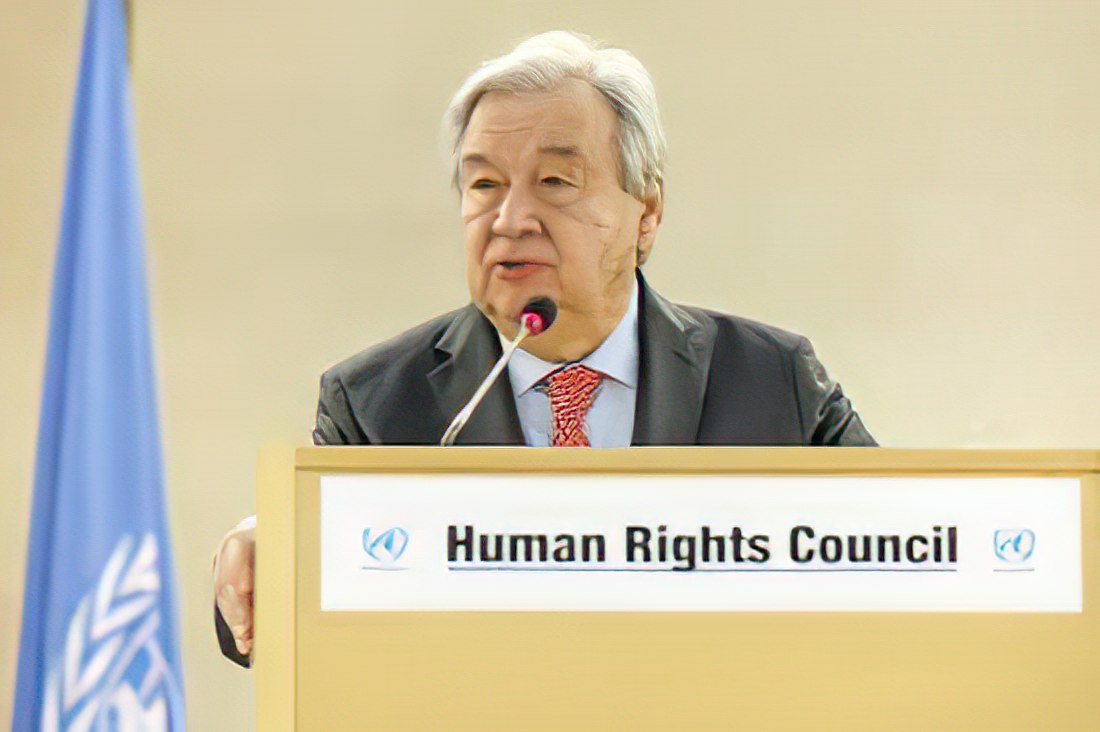
In a world grappling with inequality, violence, and oppression, the global stage has become the most crucial platform for advocating human dignity and freedom. Institutions like the United Nations Human Rights Council play a pivotal role in highlighting abuses, shaping policy, and urging accountability. The image above captures one of many moments where international voices unite to affirm humanity’s shared values.
Defending human rights globally is not merely a diplomatic formality—it is a moral imperative. Whether it involves condemning ethnic cleansing, addressing gender-based violence, or standing against authoritarian crackdowns, the ability of global bodies to respond effectively shapes the fate of millions. These responses, however, must go beyond rhetoric. They require concrete action, enforcement mechanisms, and unwavering political will.
In regions plagued by conflict—from Myanmar to Ukraine, Syria to Sudan—millions suffer the consequences of human rights violations in silence. For them, the work done at international assemblies represents hope. It signals that someone is watching, that someone is listening, and that justice may yet prevail.
As we reflect on the role of global institutions, we must also consider the power of collective pressure. Civil society, media, and individual activists contribute significantly to shaping the outcomes of these forums. By amplifying marginalized voices and pushing for reform, these actors ensure that defending human rights is not an elite endeavor but a global responsibility.