Children Rebuild Community Through Education
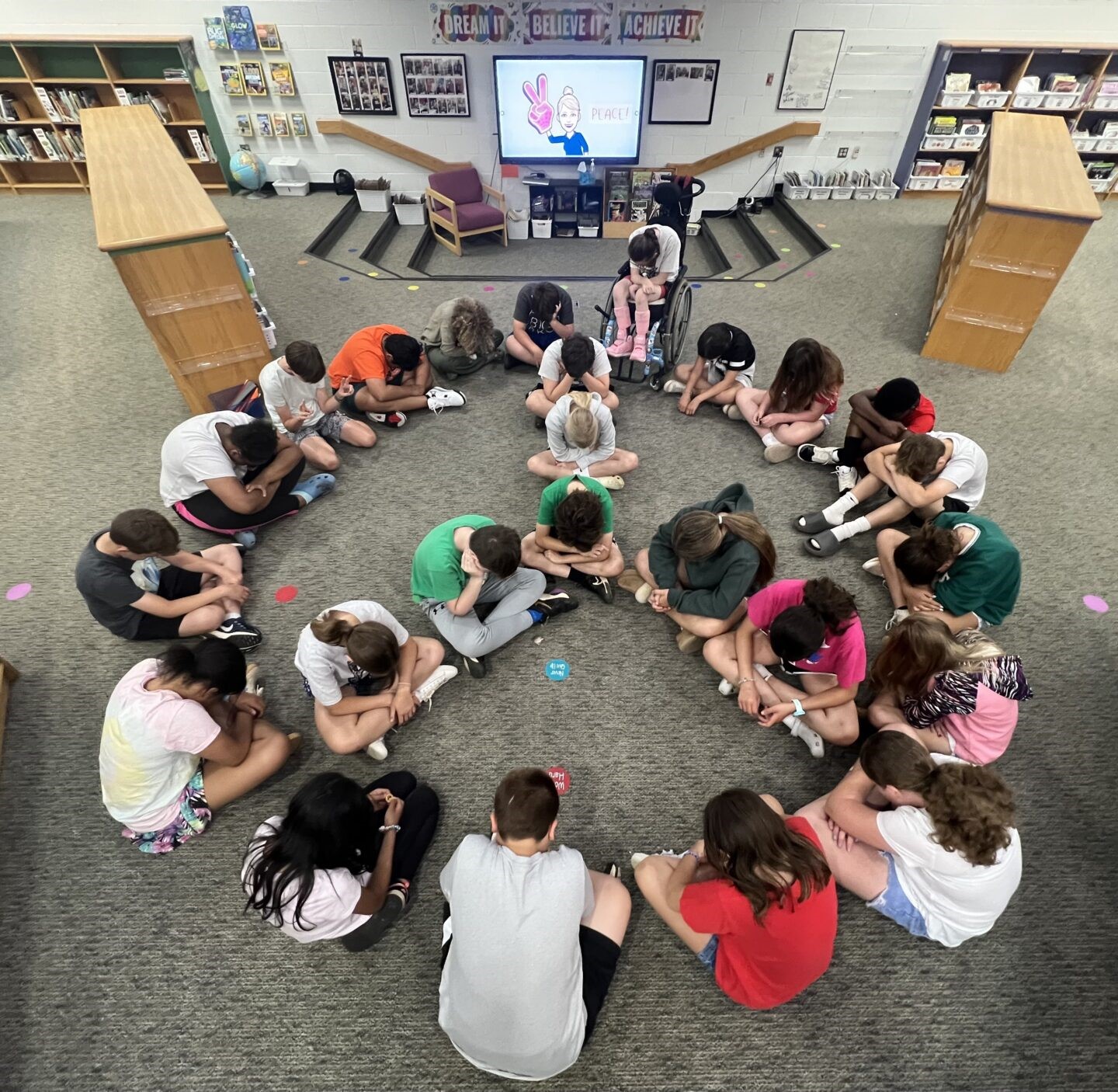
In the heart of global unrest and persistent human rights violations, education becomes more than just a tool for knowledge—it becomes an instrument of healing, resilience, and reconstruction. The image above, showing a group of children sitting together in a classroom circle, is a testament to this silent revolution. It speaks not only of lessons learned but of bonds formed, of peace practiced, and of futures imagined.
"Children Rebuild Community Through Education" is more than a hopeful statement—it is an observable truth unfolding across conflict-affected regions. In the aftermath of war, displacement, systemic oppression, and inequality, it is often children who, through the structure and sanctuary of learning, begin the first steps toward mending fractured communities.
Around the world, from war-torn regions like Syria and South Sudan to oppressed communities in Myanmar, Afghanistan, and Venezuela, schools have become safe havens. When governments collapse and infrastructures fail, educational spaces—whether in tents, underground, or makeshift classrooms—offer something rare and precious: normalcy. Here, children learn not only arithmetic and grammar but values such as cooperation, empathy, respect, and shared responsibility.
In many refugee camps, community schools are built by the very people displaced. Educators are often former students, parents, or volunteers. Despite a lack of resources, they share one invaluable asset: hope. Through chalkboards and storybooks, children displaced by violence and persecution begin to see themselves not as victims of tragedy, but as participants in rebuilding life.
The image also reminds us of the role of inclusive education. Within the circle are children of various backgrounds, abilities, and experiences—including a child in a wheelchair. This visual reinforces that true community-building through education must also dismantle barriers of access and discrimination. It’s not just about rebuilding homes and governments—it’s about rebuilding trust, inclusion, and opportunity.
The global community has a moral and legal duty to protect the right to education under international frameworks such as the Convention on the Rights of the Child and the Sustainable Development Goals. Yet today, over 222 million children affected by conflict and crises remain out of school. Their potential, if not nurtured, becomes another casualty of war.
But when children are given the space, safety, and support to learn, they do more than survive—they lead. They form student councils, start clubs, write poems of resistance, and dream of becoming doctors, teachers, and builders—not of walls, but of bridges. In doing so, they remind us all that peace is not built in silence or treaties alone, but in classrooms where understanding is cultivated one lesson at a time.