Empowering the Displaced Through Education
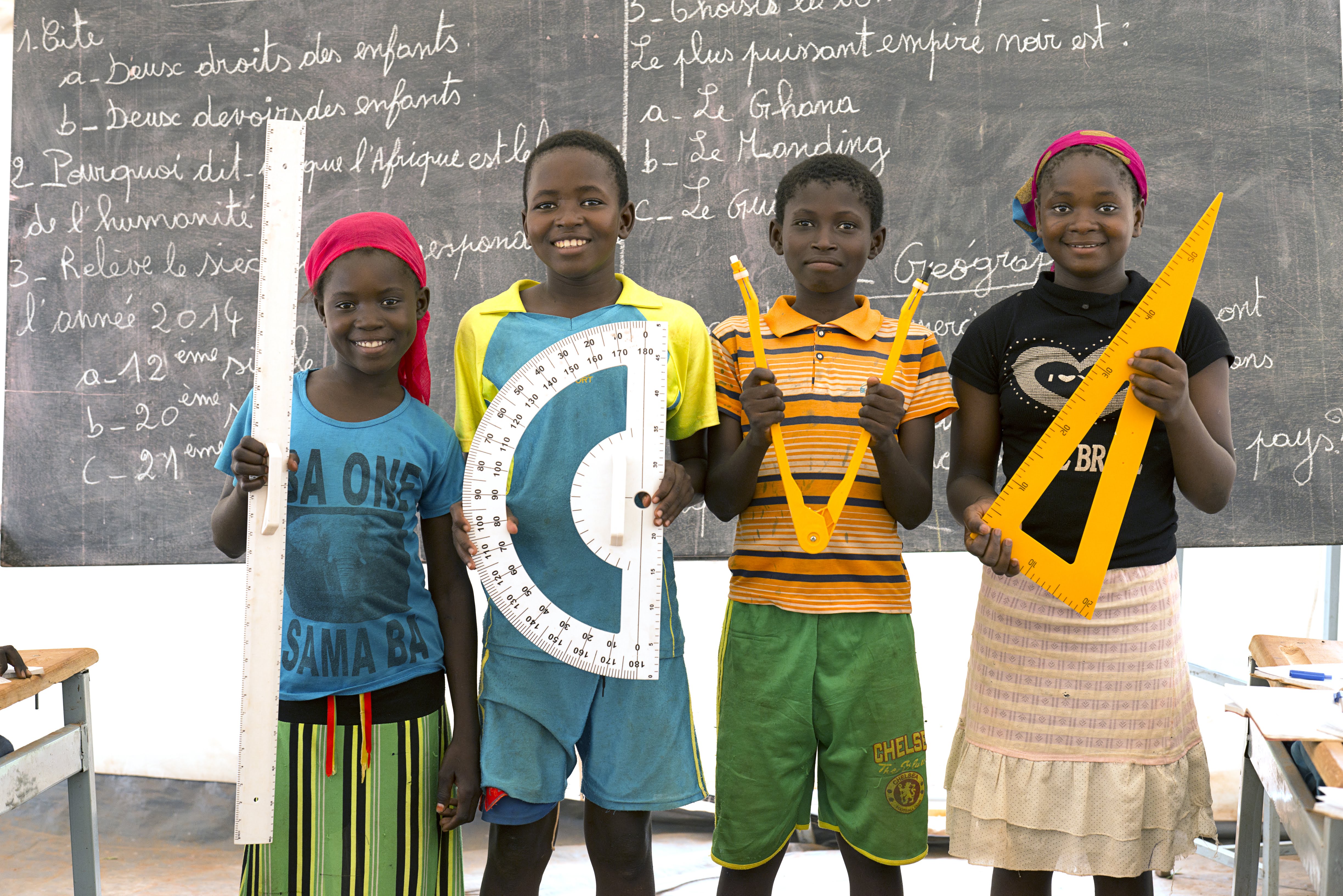
The smiling children in this photograph, standing proudly in front of a blackboard, are more than just students—they are symbols of defiance, resilience, and the transformative power of education in the face of adversity. For millions of displaced children across the globe, education is not merely a right; it is a lifeline—a source of dignity, identity, and hope amidst the ruins of conflict.
"Empowering the Displaced Through Education" captures the urgent need to uphold learning as a fundamental human right, especially in humanitarian crises caused by war, persecution, and disaster. From Syria and Sudan to the Rohingya camps in Bangladesh and refugee settlements in Uganda, more than 43 million children have been forcibly displaced from their homes. Many of them lose years of schooling. Yet, wherever safe spaces for learning are created, children return—hungry not just for food, but for knowledge and stability.
Education provides more than academic lessons. For displaced youth, it offers psychological healing and protection. It teaches peace, tolerance, and cooperation—values desperately needed to break the cycles of violence that uprooted them. In classrooms like the one in the image, young people begin to envision futures beyond displacement. They gain tools to reconstruct their communities, economies, and civic institutions when peace eventually returns.
However, access to education remains a major challenge. Displacement camps often lack qualified teachers, safe facilities, and basic materials. Girls, in particular, face additional barriers due to poverty, early marriage, and gender-based violence. In conflict zones, schools themselves are attacked—either as military targets or as symbols of progress. According to UNESCO, only half of refugee children attend primary school, and fewer than 1 in 4 attend secondary school.
The global community has a responsibility to act. Human rights frameworks, including the Universal Declaration of Human Rights and the Convention on the Rights of the Child, affirm that education must be guaranteed to all—even in emergencies. Sustainable development goals commit to inclusive and equitable quality education. Yet international funding for education in emergencies accounts for less than 3% of humanitarian aid.
Despite these obstacles, the children in the photo represent the transformative potential of educational investment. With rulers, protractors, and compasses in hand, they are preparing not just for exams—but to become engineers, teachers, leaders, and advocates for justice. They remind us that even amid displacement, a blackboard and a teacher can change the course of a child’s life.
Empowering the displaced through education is not an act of charity—it is a matter of global justice. It ensures that war does not have the final word over a child’s future, and that knowledge, not conflict, becomes the lasting legacy of our times.