Hope and Resilience in the Eyes of Youth
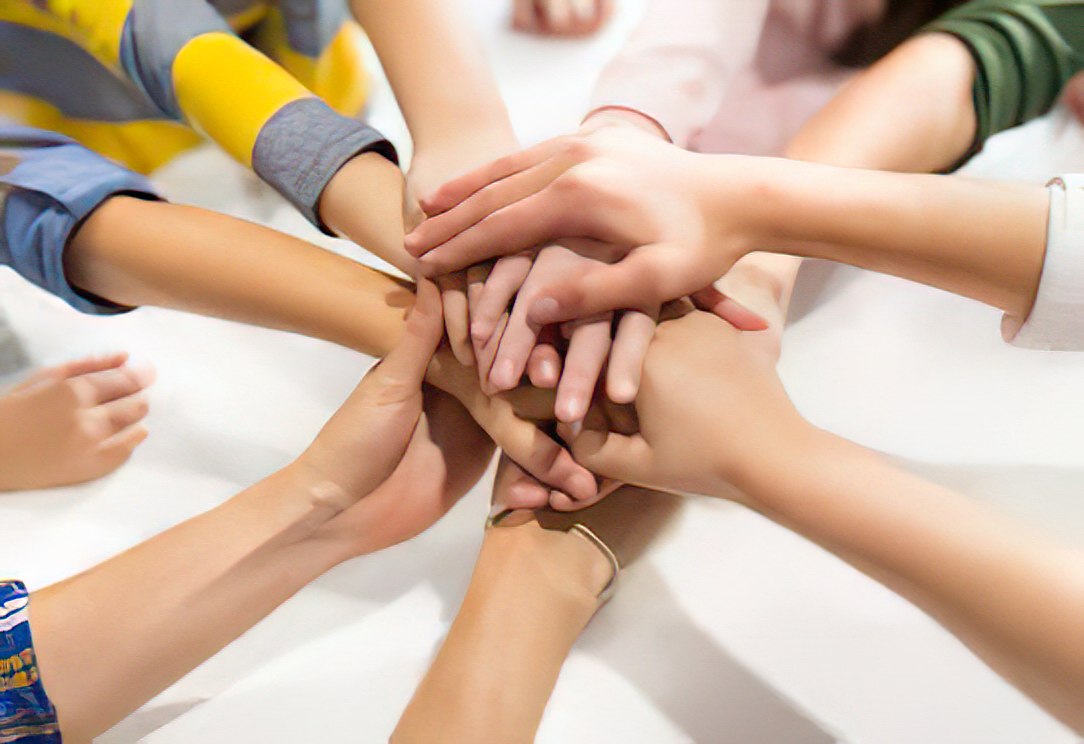
The photograph above, a simple yet profound composition of youthful hands joined together in solidarity, speaks volumes about the future of humanity. Despite being born into a world where violence, displacement, and inequality are daily realities, children and young people continue to embody an unwavering spirit of hope. Their gesture of unity, captured in this image, transcends language, race, and borders—it is a universal call for peace, dignity, and justice.
"Hope and Resilience in the Eyes of Youth" is not just a theme, but a truth echoed through refugee camps, war-torn cities, protest lines, and classrooms worldwide. In regions ravaged by armed conflict—from Yemen and Gaza to Congo and Ukraine—children are often the silent sufferers. Their homes destroyed, their families fractured, their futures uncertain, yet their will to survive and dream persists.
This image reminds us that while adults may negotiate power and wage wars, it is the youth who inherit the outcomes. And despite this injustice, they carry an inspiring resilience. Around the world, young people are organizing for change. From climate justice movements to protests against authoritarianism, they are redefining what it means to be powerful in a fractured world.
In the context of human rights conflicts, youth are not merely victims—they are catalysts. They form peace committees in refugee settlements, educate their peers in informal schools, and stand up against gender-based violence and racial oppression. Many are denied their rights to education, healthcare, freedom of expression, and safety. But in that denial, they become even more determined to claim them—not just for themselves, but for others.
These hands represent unity across cultures and experiences. They symbolize a generation that refuses to be defined by trauma. Instead, they reach out—to help, to heal, and to rebuild. Global institutions must listen to these voices, invest in their futures, and honor their efforts by enforcing the rights enshrined in the Convention on the Rights of the Child and other international frameworks.
The youth of today are not just the leaders of tomorrow; they are the changemakers of now. If we are to ever resolve the injustices of war, the abuses of power, and the betrayal of human rights, we must begin by empowering the hands that reach for peace—not weapons.