War's Toll on Civilians
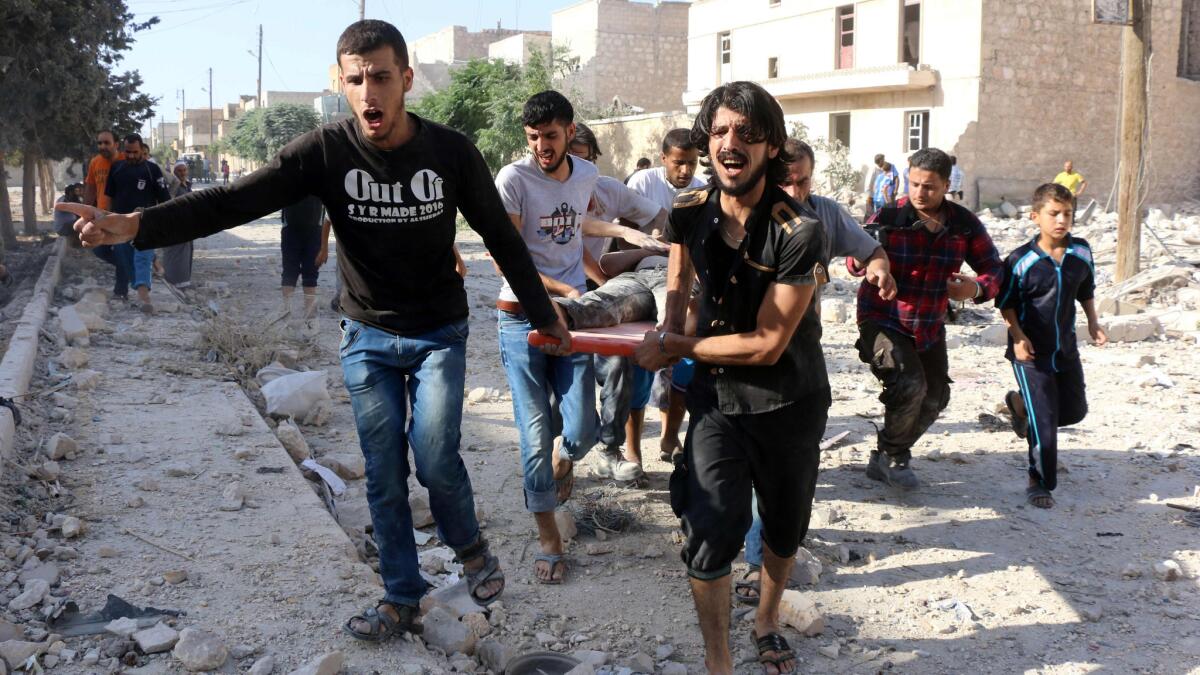
Depicting young men desperately carrying a wounded civilian through a bombed-out street, captures the brutal and immediate reality of war's impact on ordinary lives. It is a chilling portrait of human suffering, one that is replicated across countless conflict zones in Syria, Gaza, Ukraine, Sudan, Yemen, and beyond. Civilians—men, women, and children—too often become the targets or collateral victims of political, territorial, and ideological warfare.
"War's Toll on Civilians" is a title that echoes through every refugee camp, mass grave, bomb shelter, and destroyed school. War may be fought by armies, but it is civilians who endure its deepest scars. They suffer the loss of homes, families, limbs, identities, and futures—sacrificed not for their own ambitions, but for the agendas of those in power.
International humanitarian law, particularly the Geneva Conventions, exists to protect non-combatants in times of war. Yet in modern conflicts, the line between military and civilian is often deliberately blurred. Hospitals are bombed, aid convoys are targeted, and children are used as shields or forced into soldiering. Civilians are not just caught in the crossfire—they are systematically terrorized as a strategy of war.
In the Syrian civil war alone, hundreds of thousands of civilians have perished, many in sieges where access to food, water, and medicine was denied. In Gaza and the West Bank, the cyclical violence repeatedly claims the lives of innocents, many of them children. In Darfur, Tigray, and Eastern Congo, rape has been used as a weapon of war, targeting entire communities for ethnic cleansing and psychological destruction.
The psychological toll is as deep as the physical wounds. Children who survive bombings or witness the deaths of their families often grow up with lifelong trauma. Their understanding of the world is shaped by fear, mistrust, and grief—emotions that are often passed on across generations, perpetuating cycles of violence and instability.
Yet, amid the destruction, the image also shows humanity’s instinct to help. The men in the photo are not soldiers—they are neighbors, friends, or strangers moved by empathy and urgency. This, too, is a vital part of the story. Civilians may be victims of war, but they are also sources of resilience, resistance, and healing.
The global community must recommit to the protection of civilians in conflict. This means enforcing existing laws, holding war criminals accountable, and ensuring humanitarian access. It means listening to survivors and supporting reconstruction not just of buildings, but of lives and dignity. Above all, it requires an unwavering moral stance that the lives of civilians are never expendable.